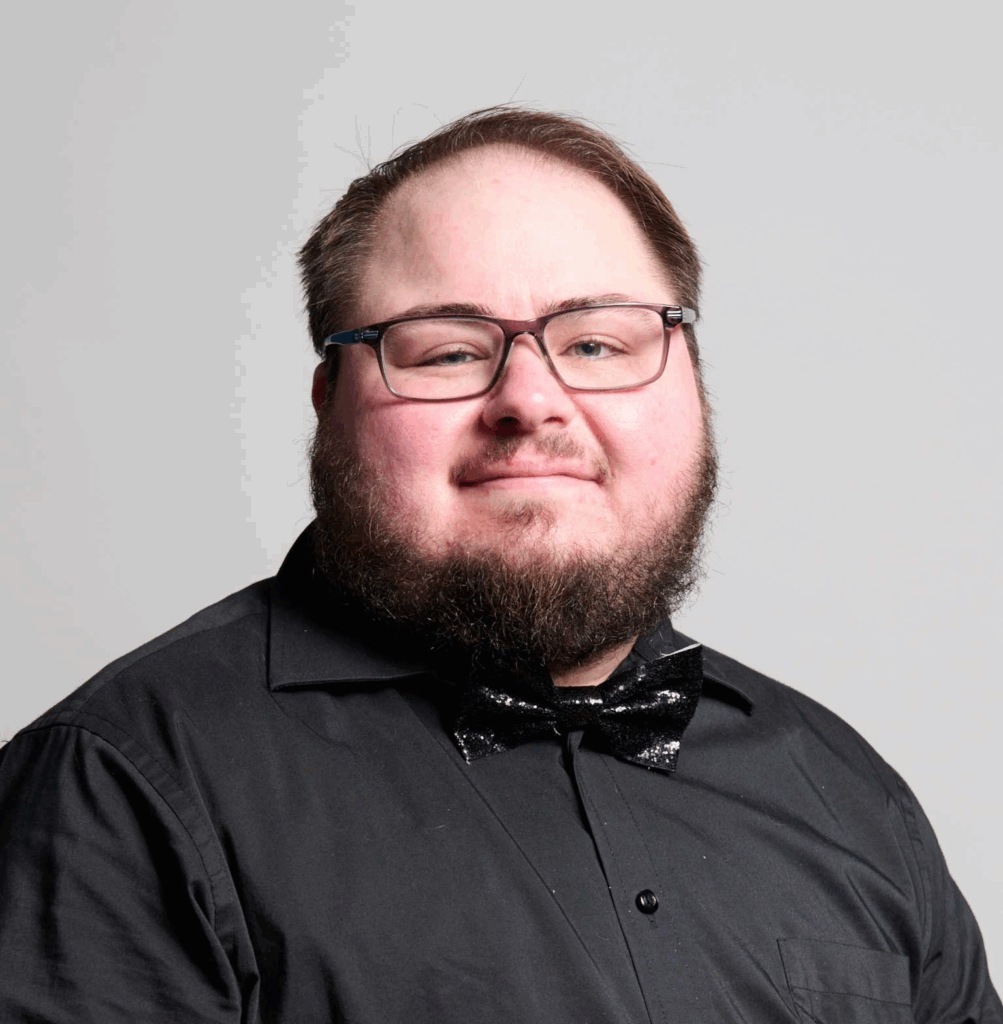
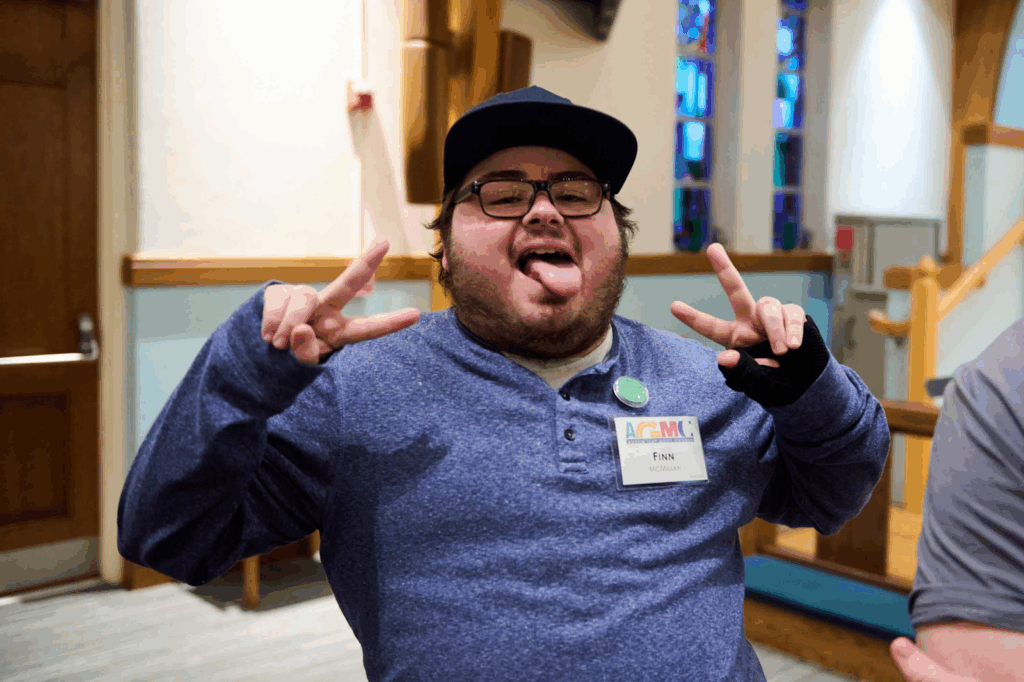
Finn – a member of the Leander & Cedar Park Pride Fest Planning team – shares his experience as a trans man in Texas and how he found a supportive community.
What was your experience like growing up trans?
The place I grew up wasn’t the most accepting of anyone who was different. Even my friends teased me about not conforming to gender norms.
In school, I felt pressure to change what I wore or how I presented, but I was not comfortable in dresses, skirts or makeup. High school got so bad that I had to stop using the bathroom because every time I went in I’d get glared at, or I’d hear, “OMG there’s a boy in the girl’s bathroom” and I’d feel so much shame. My mom was a tomboy growing up and “understood” how I was feeling. But when I wanted to cut my hair short for the first time, she was hesitant because “it’d make me look more like a boy.” She knew I’d get teased more.
I didn’t have a word to describe how I was feeling until college. I spent part of my first year watching other people’s stories. That helped me to normalize how I was feeling, but it took time to come to terms with being trans myself.
I decided to join an LGBT club on campus. I remember feeling scared signing up at the table with my chosen name for the first time. Leadership was very accepting. Others in the club were too, but not fully-informed. They wanted to learn about trans people, so I had to do a lot of educating. It was a slow and frustrating process to get everyone to use my male pronouns. I came out to my parents the next year. They were mostly accepting of me but hesitant to change their own language. Just before my senior year, I saw a therapist and started testosterone. A year after I graduated, I had top surgery and had my legal name and gender marker changed, and that was really liberating. I gave myself a fresh start before my move to Texas.
How did you get involved in the Austin Gay Men’s Chorus?
After moving here, I went to karaoke night with coworkers and people said, “You’re actually good!” I saw a Facebook ad for auditions with the Chorus and even though I hadn’t been involved in music since I played the violin in grade school, I pushed myself to apply so I could feel I belonged somewhere.
When I first joined the choir, I was worried they might kick me out once they found out I’m trans. It turns out I didn’t have to be so worried. Today, our mission statement is much clearer that anyone can join who can sing in the range. There are now other trans members in the chorus, and I wound up finding a lot of friends and community.
I’m really happy that my life has led me to the chorus. I wound up finding a lot of friends and community.
In addition to our regular rehearsals and concerts this year, we hosted “Drag Out” – a drag show fundraiser March 21st at the Highland Lounge, where I performed in drag for the first time. We’ve also created a workshop called Transpose, where we’re flying in an expert on trans voices to coach us, which I’m looking forward to.
Our biggest news is the documentary “This Is Texas,” which was released at the end of 2025. At our 2024 Spring show, journalist John-Carlos Estrada was in the audience and was inspired to film our chorus, spotlighting trans members and our journey to performing at the Gay and Lesbian Association of Choruses (GALA) Festival that year.
How does the political environment in Texas affect you?
It affects me a lot right now. Two states have already invalidated trans people’s driver’s licenses and I’m concerned Texas may be next. I’m grateful to have been born in California, where the political environment is much easier. When I moved to Texas, I was flagged for not being signed up for selective services and had to account for it. I worry that may have put me on a list.
Of course my healthcare is at risk, as is my daily safety. I have to rethink wearing my AGMC hat in certain places, because I don’t know how people will react. It sucks, because I have a lot of really fun Pride shirts! A neighbor did once thank me for putting a Pride flag in front of my house – that was heartwarming.
I want other trans and queer community members to know that if you don’t know anybody near you, there’s a lot of support out there.
Why is Pride important to you?
Pride lets people know their community exists. I want other trans and queer community members to know that if they don’t know anybody near them, there’s still a lot of support out there. There are online communities, Pride organizations, Instagram accounts and meetups of all kinds. If you’re new here or are just looking to make friends, that’s a good place to start.
I hope many more people will attend Leander & Cedar Park Pride Fest this year than ever before. Hosting it in a more prominent place like Lakeline Park increases visibility and lets people know there’s a lot of us north of Austin, ready to be a community they can plug into.